How I Balanced Tai Chi and Simple Eating—And Finally Felt Light
I used to feel constantly drained, no matter how much I slept. It wasn’t until I combined gentle tai chi with basic dietary changes that something finally clicked. This isn’t about extreme diets or intense workouts—it’s about balance. Over time, I noticed more energy, better focus, and less stiffness. Curious what shifted? It started with small, consistent choices. If you're tired of quick fixes that don’t last, this real-life approach might be exactly what you need.
The Burnout That Started It All
For years, I pushed through each day on willpower and caffeine. Even after eight hours of sleep, I woke up feeling heavy, as if my body were wrapped in wet blankets. Mornings were a battle—dragging myself out of bed, skipping breakfast, and rushing to keep up with household tasks and work. By mid-afternoon, my concentration would fade, my shoulders ached, and I’d reach for sugary snacks just to stay alert. I wasn’t sick, but I wasn’t thriving either. I felt stuck in a cycle of fatigue and frustration.
I tried conventional solutions: intense workouts, strict meal plans, and even supplements. But high-impact exercise left me sore and discouraged, and rigid diets only made me feel deprived. The more I forced myself to follow trends, the more disconnected I felt from my body. It wasn’t sustainable, and it certainly wasn’t joyful. I began to wonder if true wellness was even possible for someone like me—a busy woman juggling family, responsibilities, and aging joints.
Then one rainy afternoon, while browsing a community wellness brochure, I came across a class titled “Gentle Movement for Vitality.” The description mentioned tai chi, an ancient practice focused on slow, flowing motions and breath. I’d heard of it before—mostly in images of older adults in parks—but I’d never considered it for myself. It seemed too quiet, too subtle to make a difference. Still, something about the word “gentle” resonated. I was tired of pushing. Maybe it was time to try softening.
Why Tai Chi Works—More Than Just Movement
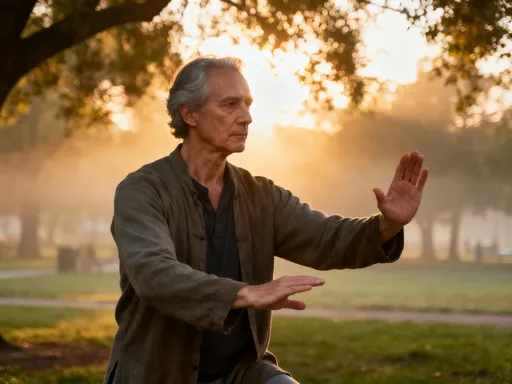
Tai chi is often described as “meditation in motion,” and for good reason. Rooted in traditional Chinese philosophy, it emphasizes balance, alignment, and the smooth flow of energy through the body. Unlike fast-paced workouts that stress the cardiovascular system, tai chi works gently, using deliberate, low-impact movements to improve strength, flexibility, and coordination. Each posture flows into the next, creating a sequence that feels almost like a dance—calm, rhythmic, and deeply grounding.
What makes tai chi uniquely effective is its dual impact on both body and mind. Research has shown that regular practice can reduce stress hormones like cortisol, lower blood pressure, and improve balance—critical for preventing falls, especially as we age. The slow, controlled motions activate the parasympathetic nervous system, the part of the body responsible for rest and recovery. This is the opposite of the “fight-or-flight” state many of us live in daily. By signaling the body to relax, tai chi helps interrupt the cycle of chronic stress that so often underlies fatigue and tension.
One of the most powerful aspects of tai chi is its accessibility. You don’t need special equipment, a gym membership, or even much space. A small corner of your living room is enough. It’s suitable for all fitness levels—whether you’re recovering from injury, managing joint pain, or simply looking for a way to stay active without strain. Studies have found that even older adults with arthritis or limited mobility can experience significant improvements in joint function and pain reduction after just a few weeks of consistent practice. This inclusivity is part of what makes tai chi not just a workout, but a lifelong practice.
Within a few weeks of starting, I noticed subtle shifts. My balance improved—I no longer wobbled when tying my shoes. My breathing deepened, and I caught myself standing taller. Most importantly, I began to feel present in my body again, not just going through the motions. The practice wasn’t about burning calories or achieving perfection; it was about reconnecting, one slow movement at a time.
The Missing Piece: What I Wasn’t Eating
As my tai chi practice grew, I became more aware of how my body responded—not just to movement, but to food. I realized that while I was moving more mindfully, I was still eating on autopilot. My diet was full of convenience: pre-packaged meals, refined carbohydrates, and snacks high in sugar and unhealthy fats. I’d tell myself I was “too busy” to cook, but the truth was, I didn’t know where to start. Like many women in my stage of life, I’d absorbed conflicting messages about nutrition—cut carbs, eat more protein, avoid fat, go low-sodium—and felt overwhelmed by the noise.
The turning point came after a morning tai chi session when I felt unusually clear-headed and calm—only to lose that sense of balance by lunchtime. I’d eaten a muffin and a latte, and within an hour, I was jittery, then sluggish. That pattern repeated: energy spikes followed by crashes. I began to suspect that my food choices were undoing the peace I’d cultivated through movement. I wasn’t just tired because of poor sleep or stress; I was fueling my body with foods that disrupted my energy, mood, and digestion.
It wasn’t that I needed a radical overhaul. What I needed was alignment—between how I moved and how I ate. Tai chi taught me the value of slowness, awareness, and consistency. Why shouldn’t my eating reflect those same principles? I started to see food not as the enemy, nor as a source of guilt, but as a form of self-care. The goal wasn’t to follow a trendy diet, but to make choices that supported the calm, steady rhythm I was building in my daily life.
Simple Eating Principles That Matched My Pace
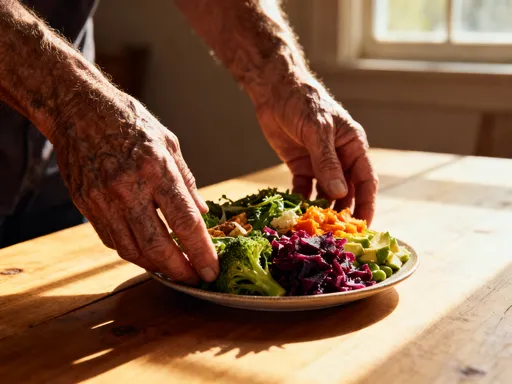
I didn’t jump into meal prepping or tracking macros. Instead, I focused on a few foundational changes—small shifts that fit naturally into my routine and complemented my tai chi practice. The first was prioritizing whole, minimally processed foods. I began choosing fruits, vegetables, whole grains, legumes, nuts, and lean proteins over packaged items with long ingredient lists. For example, I swapped my afternoon candy bar for a handful of almonds and an apple. The difference in energy was immediate—no crash, just steady fuel.
Another key change was mindful portioning. I used to eat quickly, often standing over the sink or in front of the TV. Now, I take time to sit at the table, chew slowly, and notice how full I feel. This simple act helped me tune into my body’s hunger and fullness cues. I discovered I didn’t need as much food as I thought to feel satisfied. Over time, digestion improved—less bloating, fewer stomachaches—and I felt lighter, both physically and mentally.
Hydration became a quiet priority. I started carrying a water bottle and made it a habit to drink a glass first thing in the morning. I also reduced sugary drinks and limited caffeine to one cup of coffee in the morning. Better hydration supported my tai chi practice—less muscle cramping, more joint lubrication—and helped maintain steady energy throughout the day.
Finally, I focused on balanced meals. Instead of eating carbs alone—like toast or pasta—I began pairing them with protein and healthy fats. A slice of whole-grain toast with avocado and a boiled egg, for example, kept me full for hours. These combinations stabilized my blood sugar, preventing the spikes and crashes that had once ruled my afternoons. The result was more consistent energy, better focus, and a growing sense of control over my well-being.
Syncing Movement and Meals: A Daily Rhythm
As my habits evolved, I began to notice how tai chi and simple eating started to reinforce each other. My morning routine became a quiet ritual: ten minutes of tai chi in the backyard, followed by a nourishing breakfast and a moment of stillness with my tea. The movement cleared my mind, and the meal grounded me. This combination set a tone of calm intention for the day, replacing the old rush-and-react pattern.
In the evenings, I often did a short tai chi sequence after dinner—gentle stretches and flowing movements that aided digestion and signaled to my body that it was time to wind down. I noticed that lighter dinners—such as grilled fish with steamed vegetables or a bowl of lentil soup—paired well with this practice. Heavy, greasy meals made me feel sluggish and disrupted my ability to move smoothly. Over time, my body began to crave these lighter options, not out of restriction, but because they simply felt better.
Sleep quality improved dramatically. I used to wake up multiple times at night, often with stiff joints or an unsettled stomach. Now, I fall asleep more easily and stay asleep longer. I believe this shift comes from the synergy of reduced stress, better digestion, and consistent daily rhythms. My body no longer feels like a battleground; it feels like a home I’ve learned to care for.
Even my relationship with time changed. I no longer view self-care as a luxury I don’t have time for. Instead, I see it as the foundation that allows everything else to function. Ten minutes of tai chi, a mindful meal, a glass of water—these small acts add up to a life that feels more balanced, more peaceful, and more mine.
Common Myths That Almost Stopped Me
At the beginning, I almost talked myself out of trying tai chi because of a few persistent myths. The first was that it was only for older people. I associated it with retirement communities and hospital wellness programs, assuming it was too slow to benefit someone like me. But the truth is, tai chi is for anyone who wants to move with awareness and reduce stress. People of all ages practice it—for injury recovery, stress management, and athletic training. It’s not about age; it’s about intention.
Another myth I believed was that I needed special clothing or equipment. I imagined having to buy expensive mats, robes, or shoes. But in reality, all I needed was comfortable clothes and a quiet space. I started in my yoga pants and socks, and that was more than enough. Many online videos and community classes are free or low-cost, making tai chi one of the most accessible forms of movement available.
When it came to eating, I struggled with the belief that healthy food had to be complicated or restrictive. I thought I’d have to give up all my favorite foods, spend hours cooking, or follow a strict meal plan. But simple eating isn’t about deprivation—it’s about choosing foods that make you feel good, most of the time. It’s okay to enjoy a slice of cake at a birthday party or order takeout on a busy night. The goal is consistency, not perfection.
Letting go of these myths freed me to focus on what really matters: showing up for myself, gently and regularly. I learned that wellness isn’t about dramatic transformations or flawless routines. It’s about showing up, even when you’re tired, even when you slip up. It’s about choosing kindness over criticism, and progress over perfection.
How to Start—Without Overwhelm
If you’re feeling inspired but unsure where to begin, start small. For tai chi, look for free beginner videos online—many reputable sources offer ten- to fifteen-minute sessions designed for newcomers. Commit to just five or ten minutes a day. You don’t need to learn a full form right away. Focus on your breath, your posture, and the feeling of moving slowly and with purpose. Over time, you can increase the duration or explore local classes if available.
For eating, pick one meal to improve—perhaps breakfast. Swap a sugary cereal for oatmeal with fruit and nuts, or try a smoothie with spinach, banana, and yogurt. Notice how you feel afterward. If it goes well, move on to another meal. The goal isn’t to overhaul your diet overnight, but to build sustainable habits one step at a time.
Hydration is another easy starting point. Keep a water bottle nearby and aim to refill it two or three times a day. Pair it with a habit you already have—drink a glass after brushing your teeth, or before your morning coffee.
Most importantly, practice patience and self-compassion. Change takes time, and setbacks are normal. Celebrate small wins: a morning you didn’t feel groggy, an afternoon without a sugar crash, a moment of calm during a busy day. These are real victories. Keep a simple journal if it helps—just a few notes on how you feel each day. Over weeks and months, you’ll begin to see a pattern of progress.
And remember, it’s always wise to consult with a healthcare provider before starting any new wellness practice, especially if you have existing health conditions. A doctor, physical therapist, or registered dietitian can help you tailor tai chi and dietary changes to your individual needs.
The journey to feeling light didn’t happen overnight. It grew from daily choices—small, quiet, consistent acts of care. By combining tai chi’s gentle movement with simple, mindful eating, I found a rhythm that supports my energy, my mood, and my body. This isn’t a quick fix or a trendy solution. It’s a sustainable way of living that honors the wisdom of slow, steady change. If you’ve been searching for a path to wellness that feels kind, doable, and lasting, this approach might be just what you’ve been waiting for. Health isn’t about punishment or perfection—it’s about practice, patience, and presence.