How I Navigated Pregnancy Care with Real Rehab Results—No Fluff, Just What Worked
Pregnancy changes your body in ways no one fully prepares you for. After my delivery, I struggled with fatigue, weak core muscles, and low stamina—until I took a systematic approach to recovery. This isn’t about quick fixes, but real, step-by-step rehabilitation that supports long-term well-being. I’ll walk you through what actually helped me regain strength and balance, backed by experience and safe practices. Always consult your doctor, but know you’re not alone—and healing is possible with the right plan.
The Hidden Challenge: Why Postpartum Recovery Is More Than Rest
For many women, the expectation after childbirth is simple: rest, recover, and eventually return to normal. But the reality is far more complex. While rest is essential, it is not sufficient on its own to restore the body after the profound changes of pregnancy and delivery. The postpartum period involves deep physiological shifts—some visible, many hidden—that require active, intentional rehabilitation. Without it, minor issues can become long-term challenges, affecting daily function, energy levels, and quality of life.
One of the most common yet underdiscussed physical consequences of pregnancy is diastasis recti, the separation of the abdominal muscles along the midline of the torso. This occurs as the uterus expands and the connective tissue, known as the linea alba, stretches to accommodate growth. While some degree of separation is normal during pregnancy, failure to address it postpartum can lead to poor core stability, lower back pain, and even pelvic organ support issues. Similarly, pelvic floor dysfunction—characterized by weakness, tightness, or poor coordination of the muscles that support the bladder, uterus, and bowels—affects a significant number of postpartum women. Symptoms such as urinary leakage, discomfort during daily activities, or a sensation of heaviness are not rare exceptions; they are signals that the body needs more than time to heal.
Hormonal changes also play a critical role in postpartum recovery. Elevated levels of relaxin and progesterone during pregnancy increase joint laxity to prepare the pelvis for delivery. While beneficial during labor, this increased flexibility can persist for weeks or months afterward, making the body more vulnerable to strain or injury if movement is not approached mindfully. Many women unknowingly return to physical activity too soon or with improper form, placing stress on ligaments and muscles that are still adapting.
The idea that healing happens passively—simply by waiting—can lead to frustration and discouragement when progress feels slow or nonexistent. The shift in mindset from passive recovery to active rehabilitation is crucial. Rather than waiting for the body to “bounce back,” women can empower themselves by understanding that healing is a process that can be supported through targeted strategies. This includes gentle movement, proper alignment, breathing techniques, and professional guidance. Recognizing that recovery is not linear, and that each woman’s journey is unique, helps build patience and resilience. The goal is not to rush toward a pre-pregnancy body, but to rebuild strength, stability, and confidence in a body that has done something extraordinary.
Building the Foundation: Core and Pelvic Floor Reconnection
Rebuilding core strength after childbirth begins not with sit-ups or planks, but with reconnection. The deep core system—comprising the transverse abdominis, diaphragm, multifidus, and pelvic floor—functions as a coordinated unit to stabilize the spine and support internal organs. During pregnancy, these muscles are stretched, weakened, or temporarily deactivated. The first step in rehabilitation is not to strengthen, but to reawaken and retrain them to work together again.
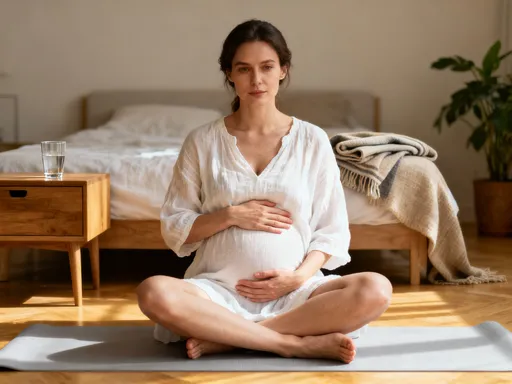
My recovery began with diaphragmatic breathing, a foundational practice that integrates breath with core engagement. Lying on my back with knees bent, I placed one hand on my chest and the other on my lower abdomen. With each inhale, I focused on expanding the belly outward, allowing the diaphragm to descend. On the exhale, I gently drew the lower abdominal muscles inward and upward, as if zipping up from the pubic bone to the navel, while simultaneously engaging the pelvic floor by imagining a subtle lift—like stopping the flow of urine. This coordinated action, repeated for several minutes daily, helped restore neuromuscular communication between the diaphragm and pelvic floor, a connection often disrupted during pregnancy and delivery.
It’s important to emphasize that this type of activation is subtle. Over-efforting or bearing down defeats the purpose and can increase intra-abdominal pressure in harmful ways. The goal is gentle, mindful engagement, not force. Once I could consistently perform this breathing pattern without strain, I progressed to simple positional exercises such as pelvic tilts and heel slides, all performed with continued attention to breath and core activation. These movements helped reinforce proper alignment and muscle coordination without placing undue stress on healing tissues.
Assessing my own condition was another critical step. I learned to check for diastasis recti by lying on my back, lifting my head slightly, and feeling for a gap along the midline of my abdomen. While a small separation is common and often resolves with time and proper rehabilitation, a wide or deep gap may require targeted exercises or professional intervention. I did not attempt any traditional abdominal exercises—such as crunches or twisting motions—until I had regained adequate core control and received clearance from my healthcare provider. Rushing into these movements can worsen separation and delay healing.
Reconnecting with the pelvic floor was equally important. Many women assume that Kegel exercises are the solution to all pelvic floor issues, but this is not always the case. For some, the pelvic floor is weak and needs strengthening; for others, it is overly tight or uncoordinated and requires relaxation and retraining. Without proper assessment, doing Kegels incorrectly can exacerbate symptoms. I worked with a pelvic floor physical therapist who helped me understand whether my muscles were underactive or overactive and guided me through appropriate exercises. This personalized approach made a significant difference in my recovery.
Movement That Supports: From Walking to Functional Exercise
Early movement is one of the most effective tools for postpartum recovery, but it must be approached with care. In the first days and weeks after delivery, my primary form of exercise was walking. Short, gentle walks around the neighborhood helped improve circulation, reduce swelling, and support mental well-being. Movement also plays a role in preventing blood clots, aiding digestion, and promoting tissue healing. What began as five-minute strolls gradually increased to 20 or 30 minutes as my energy and stamina improved.
Walking was not just physical rehabilitation—it was a mental reset. Stepping outside, feeling the air, and moving my body gave me a sense of normalcy and control during a time of profound change. I made sure to wear supportive footwear and maintain good posture, engaging my core lightly with each step. I avoided pushing myself to meet arbitrary step goals or comparing my pace to others. Instead, I listened to my body, resting when needed and adjusting my routine based on how I felt each day.
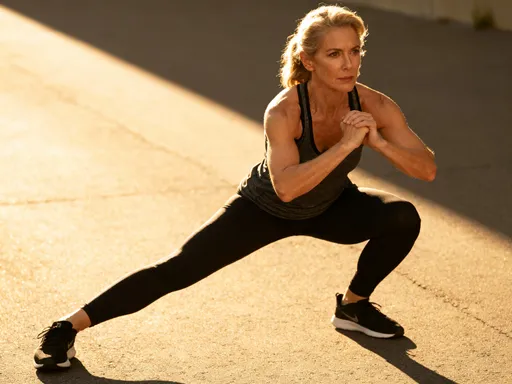
As my body adapted, I introduced functional movements that mirrored everyday activities. Squats, for example, are not just an exercise—they simulate the motion of lifting a child, getting up from the floor, or bending to pick something up. I began with bodyweight squats, focusing on form: feet shoulder-width apart, chest lifted, knees tracking over toes, and core engaged throughout. The key was control, not depth. I did not force myself into a deep squat if it caused strain or discomfort. Instead, I worked within a comfortable range of motion, gradually increasing strength and mobility over time.
Step-ups, another functional movement, helped rebuild leg strength and stability. Using a low, sturdy step, I practiced stepping up and down slowly, maintaining balance and core engagement. This movement is particularly useful for women who experience hip or knee discomfort postpartum, as it strengthens the glutes and quadriceps without excessive joint impact. Controlled bends, such as hinging at the hips to pick up objects, were also incorporated into my daily routine. These movements reinforced proper mechanics and reduced the risk of strain during caregiving tasks.
Throughout this progression, I avoided high-impact activities, heavy lifting, and intense core work until I had regained foundational strength and received medical clearance. Jumping, running, or rapid twisting can place excessive stress on recovering tissues and increase the risk of injury. Instead, I focused on consistency and quality of movement. Even simple activities, when done with awareness and intention, contribute to long-term recovery.
Rest & Recovery: The Role of Sleep, Hydration, and Mindset
Physical rehabilitation cannot succeed without attention to rest and recovery. One of the most challenging aspects of the postpartum period is the disruption of sleep. Newborns wake frequently, and nighttime feedings or soothing can fragment sleep into short, inconsistent intervals. While this is normal, chronic sleep disruption affects the body’s ability to heal. Poor sleep alters hormone levels, including cortisol and growth hormone, both of which play roles in tissue repair and immune function. It also impacts mood, energy, and cognitive clarity, making it harder to stay consistent with rehabilitation efforts.
I learned to maximize rest even when full, uninterrupted sleep wasn’t possible. I coordinated naps with my baby’s schedule when feasible, lying down even for 15 to 20 minutes between feedings. I also asked for help—whether from a partner, family member, or friend—so I could have longer stretches of rest during the day. Creating a calm sleep environment, with dim lighting and minimal distractions, helped signal to my body that it was time to rest. While I couldn’t control every aspect of my sleep, I could influence my habits and surroundings to support better recovery.
Hydration was another pillar of my recovery. Water is essential for every bodily function, from circulation and digestion to muscle contraction and temperature regulation. Dehydration can lead to fatigue, constipation, and reduced milk supply for breastfeeding mothers. I made it a habit to keep a large water bottle nearby at all times and refilled it regularly. I also included hydrating foods such as cucumbers, watermelon, and soups in my meals. While caffeine in moderation was acceptable, I limited intake to avoid disrupting my sleep or increasing dehydration.
Mindset played a crucial role as well. The postpartum period is emotionally complex. Feelings of exhaustion, self-doubt, or impatience are common, especially when progress feels slow. I had to consciously shift my perspective from viewing recovery as a race to seeing it as a journey. I reminded myself that healing takes time and that small, consistent efforts add up. Practicing self-compassion—acknowledging my efforts without judgment—helped me stay motivated. I celebrated small victories, like being able to carry my baby up the stairs without discomfort or completing a full day of gentle exercises without fatigue.
This mental resilience was not built overnight. I found support in connecting with other mothers, reading encouraging resources, and occasionally journaling my thoughts. I also learned to recognize when I was being too hard on myself and to replace critical thoughts with kinder ones. Recovery is not just physical—it is deeply intertwined with emotional and mental well-being.
Nutrition as Rehabilitation: Fueling the Healing Body
Nutrition is a form of internal rehabilitation. After childbirth, the body needs additional energy and nutrients to repair tissues, support lactation (if breastfeeding), and restore strength. However, the demands of caring for a newborn often make meal planning and preparation a low priority. I learned that focusing on nutrient-dense, balanced meals was more effective than strict dieting or calorie counting. My goal was not weight loss, but healing and sustained energy.
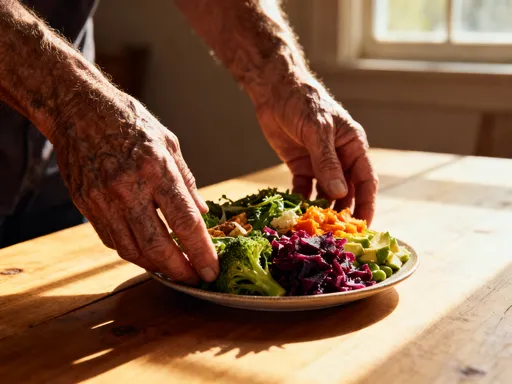
Protein was a cornerstone of my recovery diet. It provides the building blocks for tissue repair and helps maintain muscle mass, especially as I began to reintroduce movement. I included lean sources such as eggs, Greek yogurt, chicken, fish, beans, and lentils in my meals. I aimed for a source of protein at every meal and snack, which helped stabilize blood sugar and reduce energy crashes. Iron was another key nutrient, particularly for women who experienced blood loss during delivery. Iron-rich foods like spinach, lentils, red meat, and fortified cereals supported red blood cell production and helped combat fatigue.
Omega-3 fatty acids, found in fatty fish, flaxseeds, and walnuts, played a role in reducing inflammation and supporting brain health. These healthy fats are also beneficial for mood regulation, which is especially important during the postpartum period when hormonal fluctuations can affect emotional well-being. Fiber, from fruits, vegetables, whole grains, and legumes, helped maintain digestive health and prevent constipation—a common issue after childbirth, particularly if pain medication was used.
I also paid attention to meal timing and portioning. Instead of relying on three large meals, I ate smaller, more frequent meals and snacks throughout the day. This approach helped maintain steady energy levels and prevented extreme hunger, which could lead to overeating or poor food choices. I kept healthy snacks on hand—such as nuts, fruit, cheese, or yogurt—so I could eat even when I was busy caring for my baby.
Meal prep was a game-changer. On days when I had more energy, I prepared simple dishes in advance—like soups, roasted vegetables, or grain bowls—that I could reheat easily. I also accepted help from others who offered to bring meals or groceries. Nutrition is not about perfection; it is about consistency and making choices that support healing. By focusing on balance rather than restriction, I was able to nourish my body in a sustainable way.
Professional Support: When and How to Seek Help
No rehabilitation plan should be navigated alone. While self-care is important, professional guidance is essential for identifying and addressing issues that may not be obvious. I made it a priority to follow up with my OB-GYN at the six-week postpartum checkup, but I also sought additional support from a physical therapist specializing in women’s health. This decision was one of the most impactful steps in my recovery.
My physical therapist conducted a thorough assessment of my core strength, pelvic floor function, and overall movement patterns. She identified areas of weakness and provided personalized exercises tailored to my needs. She also corrected mistakes I didn’t realize I was making—such as holding my breath during exertion or overactivating certain muscles while underusing others. These subtle errors can hinder progress and increase the risk of injury if not addressed.
There are warning signs that indicate the need for professional help. Persistent pain—whether in the pelvis, lower back, or abdomen—should not be ignored. Urinary incontinence beyond the early weeks, difficulty controlling gas, or a sensation of pelvic pressure are also red flags. Other concerns include a wide diastasis recti that does not improve with time, scar tissue discomfort from a C-section or perineal tear, or difficulty performing daily activities due to weakness. These are not signs of failure; they are signals that the body needs targeted support.
Finding the right professional is key. I looked for a licensed physical therapist with certification in pelvic floor rehabilitation. Some hospitals and clinics offer postpartum rehab programs, and organizations such as the American Physical Therapy Association can help locate specialists. I also consulted a certified postnatal fitness coach who provided guidance on safe exercise progression. Working with experts gave me confidence that I was healing correctly and reduced anxiety about doing something wrong.
Seeking help is not a sign of weakness—it is an act of strength and self-care. Just as we take our children to doctors for regular checkups, we deserve the same level of attention for our own health. Professional support ensures that rehabilitation is effective, safe, and aligned with individual needs.
Long-Term Wellness: Turning Rehab Into Sustainable Habits
Postpartum rehabilitation is not a temporary phase—it is the foundation for lifelong wellness. What began as a structured recovery plan evolved into sustainable habits that continue to support my health. Core engagement, once a deliberate practice, is now automatic. I activate my deep abdominal muscles when lifting my child, getting out of a chair, or reaching for something on a high shelf. This small habit protects my back and improves posture throughout the day.
Movement remains a priority, but it looks different than it did before. I no longer measure success by intensity or duration, but by consistency and how I feel. I incorporate walking, stretching, and strength training into my routine in ways that fit my life. Some days are more active than others, and that’s okay. The goal is not perfection, but progress. I’ve learned to adjust my expectations as my body changes—whether due to aging, additional pregnancies, or life stressors.
Nutrition, hydration, and rest continue to be pillars of my well-being. I plan meals ahead when possible, stay hydrated, and protect my sleep as much as I can. I also make time for mental renewal—whether through quiet moments, time in nature, or conversations with supportive friends. These practices are not luxuries; they are necessary for sustained energy and resilience.
The most important shift has been in how I view my body. I no longer see it as something to be fixed or returned to a previous state. Instead, I see it as strong, adaptable, and capable. The scars, stretch marks, and changes are not flaws—they are testaments to what it has endured and overcome. Healing is not about erasing the past, but about building a future where I feel confident, capable, and in tune with myself.
Every woman’s postpartum journey is unique, but no one has to walk it alone. With the right knowledge, support, and mindset, recovery is not only possible—it is transformative. This is not about achieving a certain look or timeline. It is about reclaiming strength, health, and peace, one intentional step at a time.