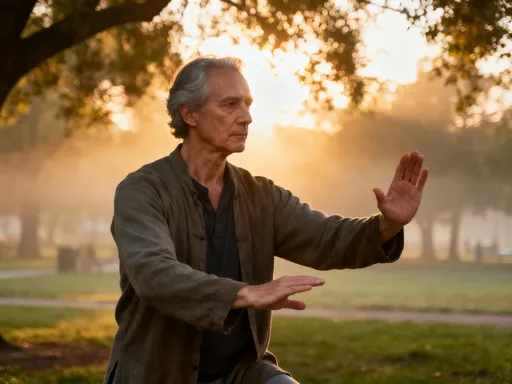
How I Learned to Calm My Mind by Listening to My Body
Ever feel overwhelmed but don’t know why? I did—until I realized my body was trying to tell me something. As a beginner in mental wellness, I used to ignore physical cues like tension, fatigue, or restless sleep. But over time, I discovered that body maintenance isn’t just about fitness or diet—it’s a powerful tool for emotion regulation. Small, daily practices helped me feel more balanced and in control. This is what worked for me, no magic fixes—just real, doable steps that made a noticeable difference.
The Wake-Up Call: When Emotions Overwhelmed Me
For years, I believed that pushing through stress was a sign of strength. I managed a busy household, held a full-time job, and volunteered at my child’s school—all while telling myself I was fine. But one winter morning, I woke up with a tight chest, trembling hands, and a mind racing with thoughts I couldn’t stop. I wasn’t sick, yet my body felt like it was under attack. That was the first time I admitted to myself that something was deeply off. I had been dismissing the signs for months: shallow breathing, constant fatigue, irritability over small things, and trouble falling asleep. These weren’t just inconveniences—they were messages. My body was no longer willing to carry the emotional weight I refused to acknowledge.
What I didn’t understand then was that emotional burnout doesn’t always arrive with a dramatic breakdown. Often, it creeps in through subtle physical symptoms. A stiff neck after a long day. A stomach ache before a difficult conversation. A sudden wave of exhaustion in the middle of the afternoon. These signals are easy to brush aside as normal stress or aging, but they often point to a deeper imbalance. When emotions aren’t processed, they don’t disappear—they settle into the body. Over time, chronic stress can lead to muscle tension, digestive discomfort, and disrupted sleep, creating a cycle that’s hard to break. My wake-up call wasn’t a crisis; it was a quiet but persistent whisper that I could no longer ignore.
That moment of realization changed everything. I began to see my body not as a machine to be driven, but as a sensitive barometer of my inner state. I started paying attention to how I felt physically throughout the day, not just whether I was productive. I noticed that on days when I felt anxious, my shoulders were higher, my jaw clenched, and my breath shallow. On days when I felt emotionally drained, my legs felt heavy, and my posture slumped. These weren’t random occurrences—they were patterns. And once I began to recognize them, I could respond with care instead of criticism. This shift didn’t fix everything overnight, but it opened the door to a new way of being: one where listening to my body became the first step toward emotional balance.
Why Your Body Holds Your Emotions (And Why It Matters)
The connection between the mind and body is not just poetic—it’s biological. Modern science confirms that emotions are not confined to the brain; they are experienced throughout the entire nervous system. When we feel stress, fear, or sadness, the body responds with measurable changes: heart rate increases, muscles tense, digestion slows, and breathing becomes rapid. These reactions are part of the autonomic nervous system, which operates largely outside of conscious control. Its job is to prepare us for action—whether to face a threat or retreat from it. This system worked well in ancient times when danger was physical, like encountering a predator. Today, however, our threats are often emotional or psychological—deadlines, conflicts, uncertainty—and yet our bodies react the same way.
When stress becomes chronic, the body remains in a state of low-grade alert, even when there’s no real danger. Over time, this can lead to physical symptoms that many people don’t recognize as emotional in origin. Tight shoulders, frequent headaches, digestive issues, and trouble sleeping are common manifestations of unprocessed emotions. Research in psychosomatic medicine shows that long-term emotional suppression can contribute to conditions like irritable bowel syndrome, chronic pain, and even cardiovascular problems. The body, in essence, stores what the mind cannot release. This doesn’t mean that physical symptoms are “all in your head”—they are very real—but they often have emotional roots that need attention.
Understanding this connection transforms how we approach self-care. Caring for the body is not just about appearance or performance; it’s a form of emotional regulation. When we soothe the body, we signal safety to the nervous system, which in turn calms the mind. A warm bath, a deep breath, a gentle stretch—these small acts send messages that the threat has passed. They help shift the nervous system from fight-or-flight mode to rest-and-digest mode, where healing and clarity can occur. This is why body-based practices are so effective for emotional well-being. They bypass the overthinking mind and work directly with the physiological system that carries the weight of our emotions. Recognizing this truth allowed me to stop seeing self-care as indulgence and start seeing it as necessity.
The Beginner’s Mistake: Trying to Fix Feelings with Thoughts Alone
When I first tried to manage my anxiety, I turned to logic. I made lists, analyzed my thoughts, and repeated affirmations. I told myself, “There’s nothing to worry about,” “You’re overreacting,” or “Just calm down.” But the more I tried to reason my way out of discomfort, the more stuck I felt. I didn’t realize it at the time, but I was trying to use the thinking mind to solve a bodily problem. Emotions are not just thoughts—they are physiological states. And when the nervous system is activated, no amount of rationalizing can instantly switch it off. In fact, trying to suppress or talk away emotions often makes them stronger, creating internal conflict that adds to the stress.
The truth is, the mind is not always the best tool for emotional regulation—especially when emotions are intense. Cognitive strategies like journaling or reframing can be helpful, but they work best when the body is already somewhat calm. When we’re in the middle of a stress response, the prefrontal cortex—the part of the brain responsible for reasoning—becomes less active, while the amygdala, which processes fear and threat, takes over. This means that in moments of high emotion, we are literally less capable of logical thinking. Expecting ourselves to “think our way out” of distress is like asking a car with a flat tire to drive normally. The system is compromised, and a different kind of repair is needed.
What helped me most was shifting from mental analysis to physical action. Instead of asking, “Why do I feel this way?” I began asking, “What does my body need right now?” Sometimes, the answer was movement—walking, stretching, or even shaking out my arms and legs. Other times, it was stillness—placing a hand on my chest, feeling my breath, or sitting quietly with a cup of tea. These actions didn’t erase my emotions, but they changed my relationship to them. I learned that calming the body comes before calming the mind. Once the nervous system feels safe, the mind can begin to process and make sense of what happened. This simple shift—from thinking to sensing—became the foundation of my emotional resilience.
Grounding Through the Senses: Simple Daily Resets
One of the most practical tools I discovered was grounding—using the five senses to reconnect with the present moment. When emotions feel overwhelming, the mind often spirals into the past or future, but the body is always in the now. Grounding techniques work by drawing attention to immediate sensory experiences, which interrupts the stress response and brings the nervous system back into balance. One method that became a daily habit is the 5-4-3-2-1 technique: naming five things you can see, four you can touch, three you can hear, two you can smell, and one you can taste. It sounds simple, but it’s remarkably effective. During a tense moment at work, I used it in the restroom stall and felt my breathing slow within minutes.
Another powerful grounding practice is mindful walking. Instead of rushing from one place to another, I began to walk with awareness—feeling the pressure of my feet on the ground, noticing the rhythm of my steps, observing the air on my skin. Even a short walk to the mailbox became a chance to reset. I also found comfort in warm sensory experiences, like taking a warm shower or holding a heated mug. Heat has a naturally calming effect on the nervous system, and these small rituals became anchors in my day. After an argument with a family member, I ran a warm bath, lit a candle, and focused on the scent of lavender. The physical comfort didn’t erase the conflict, but it prevented me from spiraling into guilt or anger.
What makes these practices so accessible is that they don’t require special equipment or extra time. They can be done anywhere—while waiting in line, during a break, or before bed. The key is consistency, not duration. Even 30 seconds of intentional sensory focus can shift the nervous system from alarm to calm. Over time, these moments add up, creating a baseline of stability that makes emotional waves easier to ride. I no longer wait for a crisis to use these tools; they are woven into my daily life, like brushing my teeth or drinking water. They remind me that I am not helpless in the face of emotion—I have real, immediate ways to restore balance.
Movement That Matches Your Mood: Not All Exercise Is Equal
For a long time, I thought exercise had to be intense to be worthwhile. I believed that unless I was sweating and out of breath, I wasn’t doing enough. But this mindset only added pressure, especially on days when I felt emotionally drained. What changed for me was realizing that movement doesn’t have to be about fitness goals—it can be about emotional release. Different types of movement serve different needs. On days when I feel restless or anxious, brisk walking helps channel that energy. On days when I feel heavy or numb, gentle stretching or yoga helps me reconnect with my body. And on days when I feel stuck, I’ve even tried shaking—literally shaking my arms and legs like a dog after a bath. It feels silly at first, but it releases tension in a way stretching alone cannot.
The important shift was learning to listen to my body instead of pushing through it. If I’m exhausted, a 10-minute stretch on the living room floor is enough. If I’m agitated, a walk around the block with no destination helps clear my mind. The goal isn’t to burn calories or build strength, but to move in a way that supports emotional regulation. Research supports this: physical activity increases the production of endorphins and reduces cortisol, the stress hormone. But the type of movement matters. High-intensity exercise can be beneficial, but not when the nervous system is already overstimulated. In those moments, gentle, rhythmic movement—like walking, swaying, or rocking—can be more effective at restoring calm.
Over time, I’ve developed a personal menu of movement options based on how I feel. When I’m sad, I might dance to a favorite song—movement that lifts my mood. When I’m overwhelmed, I do slow shoulder rolls and neck stretches to release tension. When I’m disconnected, I practice standing barefoot on the grass, feeling the earth beneath me. These choices aren’t random; they’re intentional responses to my inner state. I’ve learned that honoring how I feel in the moment leads to greater long-term resilience. Movement, in this sense, becomes a conversation between mind and body—a way of saying, “I hear you, and I’m here to help.”
Sleep, Rhythm, and Emotional Stability
Sleep was one of the first areas I noticed needed attention. For years, I treated it as a luxury—something to get to after everything else was done. But the truth is, sleep is not optional; it’s foundational to emotional health. During sleep, the brain processes emotions, consolidates memories, and resets the nervous system. When sleep is disrupted, this process is interrupted, leaving us more reactive, irritable, and emotionally fragile. I began to see the connection when I noticed that after a night of poor sleep, even small frustrations felt overwhelming. My patience was thinner, my thoughts more negative, and my body more tense.
Improving my sleep didn’t require drastic changes—just small, consistent ones. I started by setting a regular bedtime and wake-up time, even on weekends. I created a wind-down routine: turning off screens an hour before bed, dimming the lights, and drinking a cup of caffeine-free tea. I also paid attention to other daily rhythms—when I ate, when I moved, when I hydrated. Eating meals at consistent times helped regulate my energy. Drinking water throughout the day prevented afternoon crashes. These routines may seem minor, but they signal safety and predictability to the body, which helps the nervous system relax. Over time, my sleep improved, and with it, my emotional stability.
The body thrives on rhythm. Our internal clock, or circadian rhythm, influences not just sleep but mood, hormone balance, and cognitive function. When this rhythm is disrupted—by irregular schedules, late nights, or constant stimulation—the emotional system suffers. By restoring consistency, I gave my body the structure it needed to function optimally. I didn’t become perfect—some nights are still restless—but the overall trend shifted. I began to wake up feeling more refreshed, handle stress with more grace, and experience fewer emotional swings. This taught me that emotional well-being isn’t just about big breakthroughs; it’s also about the quiet, daily choices that build resilience over time.
Putting It All Together: Building a Personal Maintenance Practice
With time, I realized that emotional regulation isn’t about fixing problems as they arise—it’s about building a foundation of care that prevents them from escalating. I began to create a simple, flexible routine using the tools I had learned. Each morning, I spend five minutes tuning in: How does my body feel? What kind of movement would serve me today? Each evening, I do a brief check-in: Did I honor my energy? Did I respond to stress with kindness? I don’t follow a rigid schedule; instead, I listen and adjust. Some days, my practice is a long walk and a quiet dinner. Other days, it’s five minutes of deep breathing and an early bedtime. The goal is not perfection, but presence.
I also started tracking subtle shifts—signs that my nervous system was becoming more regulated. I noticed I was breathing more deeply without trying. My shoulders stayed relaxed during meetings. I recovered from upsets more quickly. These small changes were evidence that the work was working. I didn’t need dramatic transformations to know I was moving in the right direction. Progress in emotional health is often quiet, like a plant growing underground before it shows above the soil. The most important thing was consistency. Even on days when I didn’t feel like doing anything, I did something small—a stretch, a breath, a moment of stillness. These tiny acts accumulated into lasting change.
Today, body awareness is no longer a fix—it’s a way of life. It’s how I start my day, how I navigate challenges, and how I end my night. It’s not a cure for all difficulties, but it’s a reliable anchor when emotions run high. I’ve learned that emotional well-being doesn’t come from ignoring discomfort or pushing through pain. It comes from listening, responding, and honoring the wisdom of the body. Anyone can begin, no matter their starting point. You don’t need special skills or hours of free time. You just need to pause, notice, and care. And when needed, it’s always okay to seek support from a trusted professional. The journey to calm begins not in the mind, but in the body—and every small step counts.